

+1 443 819-2941
hello@neurafirst.com
Harnessing the Power of AI in Medical Sciences: An Interview with Suraj Pai
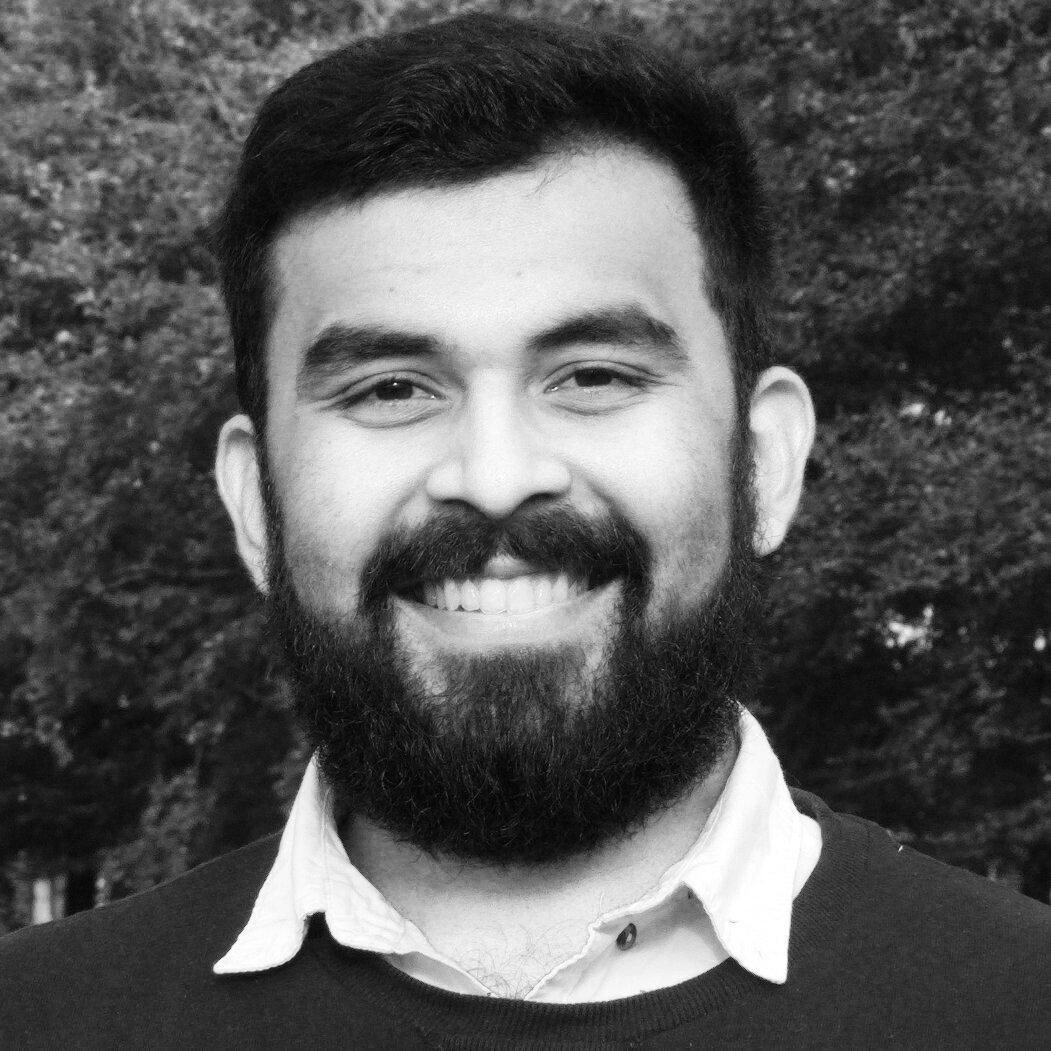
From AI Enthusiast to Medical Science Innovator
Suraj Pai: Absolutely. I'm Suraj, currently in my third year of pursuing a PhD at Maastricht University. Simultaneously, I'm also engaged in research as a part of the AIM program (aim.hms.harvard.edu) at Harvard Medical School in collaboration with Mass General Brigham. My research has predominantly revolved around the application of artificial intelligence methods within the realm of medical sciences, specifically oncology.
Suraj: My journey into AI and computational methods began during my undergraduate program. In my final year, I had the opportunity to take a course called "soft computing," which is essentially what is popularly referred to as AI. This was a highly theoretical course which involved hand-solving of matrices using learning algorithms. I was intrigued by the nature of these algorithms, which led to not rigid but rather flexible solutions, adapting based on data and learning strategies. It struck me as a learning mechanism that could be applied across various domains, and I was captivated by its potential.
Suraj: Initially, I was concerned about the transition from theoretical learning to real world application. In trying to bridge this gap, I worked with a few companies specializing in image processing and computer vision. This hands-on experience allowed me to gain insights the practical implementation of AI and where it fits across industry verticals. I eventually reached a point where I felt I needed to go back and get a deeper theoretical understanding beyond just one course. I then went on to pursue a master's program in AI at Maastricht University.
Suraj: During my master's program, I had the opportunity to immerse myself in the field of medical imaging. It was during this time that I began trying out various AI methods to support the complex and multidisciplinary cancer treatment lifecycle. This particular area resonated with me, possibly due to my upbringing in a medical environment; both my parents are doctors. While I never aspired to be a doctor myself, working on AI applications in the medical field became a fascinating endeavor.
Suraj: The desire to further advance and innovate in the application of AI within the medical sciences propelled me to pursue a PhD. My goal is to contribute to the development of cutting-edge methods that can have a significant impact on medical treatments, leveraging the incredible potential of AI to benefit patients and healthcare professionals.
Tackling the Data Dilemma in Specialized Cancer Treatment with AI
Suraj: Absolutely. My research is currently centered around two interconnected yet distinct aspects, which can be considered translational and multidisciplinary in nature. The first facet is highly technical and fundamental, where we aim to develop specialized methods tailored for specific scenarios that are prevalent in field of medical imaging. The second dimension is clinical and application-oriented, where we endeavor to apply and validate these methods on their ability to improve specific clinical practices.
Suraj: I actually work on lung cancer, whis is one of the deadliest cancers known to mankind. On average, the five-year survival rate hovers around a mere 24%. However, this survival rate plunges to a dismal 6% when the diagnosis occurs at a later stage. Conversely, when detected early, the survival rate can dramatically improve. Earlier detection as well as improved treatment is of paramount importance to effectively battle cancer.
Suraj: In the context of lung cancer, there are two critical aspects to consider. First, we can aim to enhance early screening and diagnosis, as this significantly impacts survival rates. Second, we can also focus on improving treatment methods to drive up overall survival rates. While substantial efforts have been dedicated to diagnosis, there remains a scarcity of well-established and highly effective treatment methods. I concentrate on this aspect because the complexities of the data and the relatively small patient cohorts in specialized treatments pose significant challenges.
Akram: Immunotherapy represents a relatively novel approach to cancer treatment. However, it is pertinent to note that not all cancer patients are eligible for this method, as specific criteria must be met for optimal outcomes. Additionally, immunotherapy is associated with substantial costs, placing a burden on healthcare systems if administered indiscriminately. These factors result in relatively small cohorts of eligible patients. Given that AI and deep learning methodologies thrive on extensive data, the question I'm actively addressing in my research is how to make these data-intensive methods effective within such constrained datasets.
Unlocking the Potential of Computer Vision Across Diverse Domains
Suraj: I generally have a strong affinity for computer vision. I find these methods highly appealing, and I consistently enjoy working with them. Although medical imaging already incorporates these techniques, I would be interested in applying them to another domain—biological conservation. There are numerous opportunities in this realm, such as tracking, preserving, and identifying various ecosystems. For instance, monitoring species growth and understanding the life cycle of specific species to combat issues like poaching. Recently, I surveyed some literature in this area and observed that even simple computer vision methods, when applied effectively, can yield significant impacts. I believe there are numerous domains akin to this, where the methods need not be overly complex, but their application can greatly benefit various use cases.
Unique Experiences at a Prestigious Medical Institution
Suraj: Certainly! It's really quite special to work in a lab that's part of the esteemed Mass General Brigham network. Our lab is in a building with a rich history, originally the "Boston Lying-in Hospital" from the early 1800s. It's very fascinating to be surrounded by such history. With its age, the building does brings a unique charm, including the occasional quirks like a leaky roof. These moments, while a bit surprising, add a touch of character to our high-tech work. (laughs)
-
 Linkedin: https://www.linkedin.com/in/surajpaib/
-
 Github: https://github.com/surajpaib
-
 Personal website: https://surajpai.tech/
-
 Google Scholar: here
Subscribe to our newsletter

© 2026 NeuraFirst, LLC